Most telehealth revenue is lost after the visit, not before it.
Practices tend to treat telehealth as a scheduling question. The money is usually lost further down: the wrong place-of-service code, a missing modifier, a payer whose telehealth policy changed in January, or a visit that was delivered and simply never billed because it did not look like a real appointment.
The system
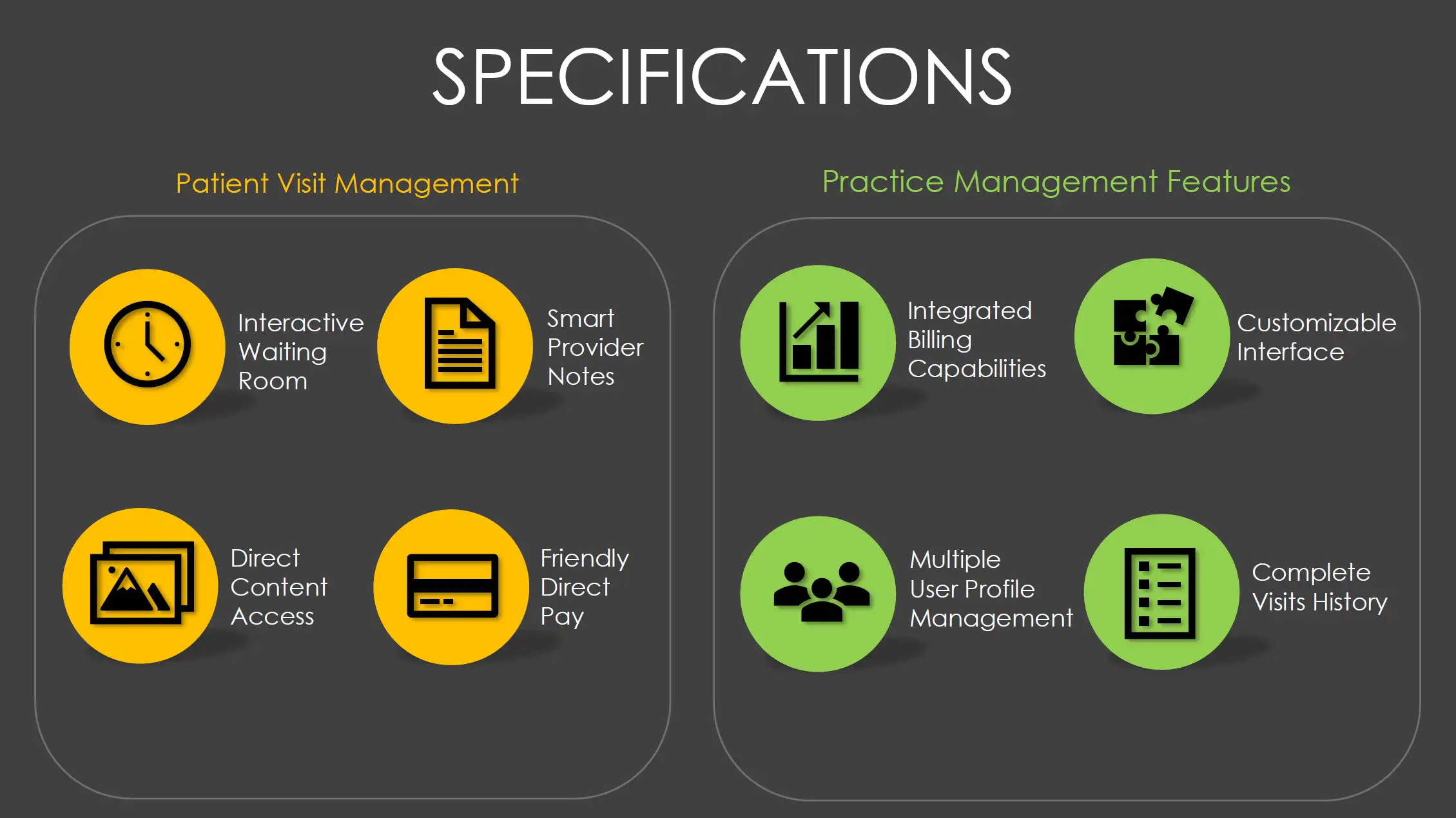
A telehealth platform built for a practice rather than for a consumer app — scheduling, the visit itself, and the documentation that has to follow it into a claim. It integrates with the billing side, which is the entire point: a telehealth system that does not connect to your claims process is a video call with extra steps.
Where we are useful
- Correct place-of-service and modifier handling for each payer, kept current as policies change
- Telehealth visits reconciled against the schedule, so delivered visits do not go unbilled
- Denials on telehealth claims tracked separately — they cluster around a handful of causes and are usually fixable at source
- Patient payment collected the same way as an in-person balance, with online bill pay and plans
A note on the numbers
There is a widely quoted figure of roughly $26,000 of additional revenue per provider per year from telehealth. That number is arithmetic, not a promise: a couple of visits a day at a modest billed amount, times a working year. The calculator on this site shows exactly that sum and lets you put your own figures into it.
The honest version of the number is the incremental one — visits that happen because telehealth exists, minus the ones that would have been in-person appointments regardless. That requires looking at your schedule, and we would rather do that than quote you an average.
Three inputs, 260 days
Providers, eVisits per provider per day, and your billed amount. The assumptions are listed on the page — including the ones that make the figure optimistic.