The waiting room is full. So is your A/R.
Patient responsibility is now a serious share of practice revenue — a 20% coinsurance or a four-figure deductible is normal, and a meaningful number of patients have no insurance at all. Practices that were built to collect from carriers are now trying to collect from people, with a process designed for the former.
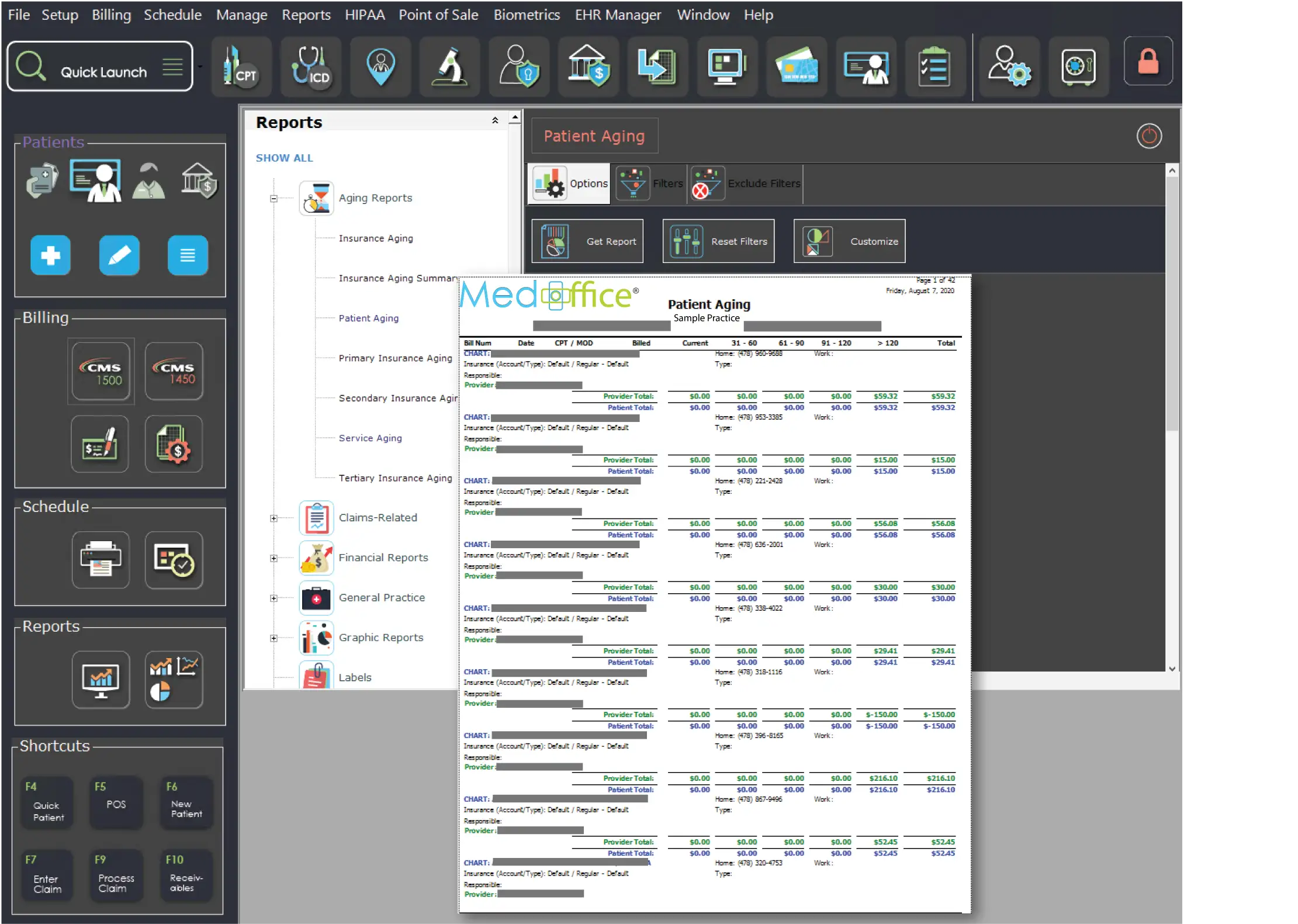
What the aging report is actually telling you
Most practices carry more than they would like past 90 days, and most of them know the honest odds on that column. The reason it accumulates is rarely that patients refuse to pay. It is that the process asks them to wait for post, find a chequebook, and act on a document that arrived three weeks after the visit — during which the balance became abstract.
The mechanics
- Electronic statements. No waiting for post to arrive or a cheque to come back. Funds are deposited directly into your practice’s bank account.
- Online bill pay. The balance is payable in the moment the patient reads about it, with a range of payment options, from a phone.
- Payment plans and autopay. Set at your discretion, so a balance someone genuinely intends to pay does not age into a write-off while they wait for a better month.
- Balances identified and addressed. Unpaid balances are worked while they are young, which is the only time the odds are good.
- Safe and secure. Online and on-site payment options with appropriate handling of card data. No patient payment details are collected through this website.
- Automatic once configured. The processing centre runs the cycle and deposits go to your account; your front desk is not chasing anybody.
The part that is easy to miss
The second leak here is not unpaid balances — it is the patients you never billed. Practices routinely turn away or discourage patients who look like a credit risk, when a payment plan would have made the same encounter collectable. On national averages that is tens of thousands of dollars a year, and it appears on no report at all because the visit never happened.
Run it on your numbers
The payment-processing calculator models both leaks at once — balances never recovered, and credit-risk patients who would have qualified for a plan. No email, results instantly.